Garden Ideas with Low Maintenance Plants sets the stage for this enthralling narrative, offering readers a glimpse into a story that is rich in detail with casual formal language style and brimming with originality from the outset.
Explore the world of low maintenance plants and discover how easy it is to create stunning gardens without the hassle. From plant selection to design tips, this guide has everything you need to transform your outdoor space effortlessly.
Garden Ideas with Low Maintenance Plants
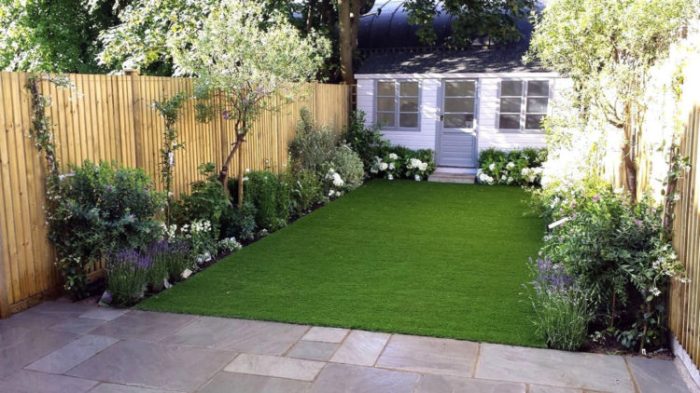
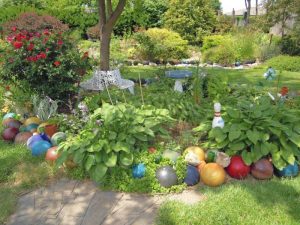
Low maintenance plants are a great addition to any garden, requiring less time and effort to care for while still providing beauty and greenery. Here are some ideas on how to incorporate them into your garden:
Low Maintenance Plant Options for Different Climates
When choosing low maintenance plants for your garden, it’s important to consider the climate they will be growing in. Here are 5 options suitable for different climates:
- Succulents: Ideal for dry and hot climates, succulents store water in their leaves and stems, making them drought-resistant.
- Lavender: Thrives in sunny and well-drained areas, perfect for Mediterranean climates with hot summers.
- Hostas: Shade-loving plants that do well in cooler climates with moist soil, making them a great option for gardens in temperate regions.
- Daylilies: Versatile plants that can adapt to various climates, from hot and humid to cold and dry, making them a popular choice for low maintenance gardens.
- Bamboo: Ideal for tropical climates, bamboo is a low maintenance plant that adds a touch of exotic beauty to any garden.
Grouping Low Maintenance Plants Based on Watering Needs
One way to simplify garden care is by grouping low maintenance plants based on their watering needs. By creating distinct zones in your garden for plants with similar water requirements, you can ensure they receive the right amount of moisture without overwatering or underwatering.
Benefits of Incorporating Low Maintenance Plants in Garden Design
There are several benefits to incorporating low maintenance plants in your garden design:
- Time-saving: Low maintenance plants require less care and attention, allowing you to enjoy your garden without spending hours on upkeep.
- Cost-effective: With fewer maintenance tasks and lower water requirements, low maintenance plants can help reduce gardening expenses.
- Sustainable: Low maintenance plants are often more resilient and better adapted to local conditions, promoting a more sustainable and eco-friendly garden environment.
- Visual appeal: Many low maintenance plants offer beautiful foliage, flowers, or textures, enhancing the aesthetic appeal of your garden with minimal effort.
- Low stress: By choosing plants that are easy to care for, you can create a relaxing and stress-free garden space that brings joy and tranquility to your outdoor living area.
Functional Spaces in Garden Design
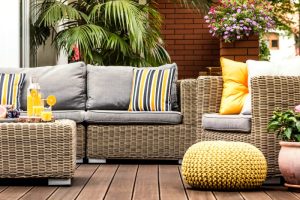
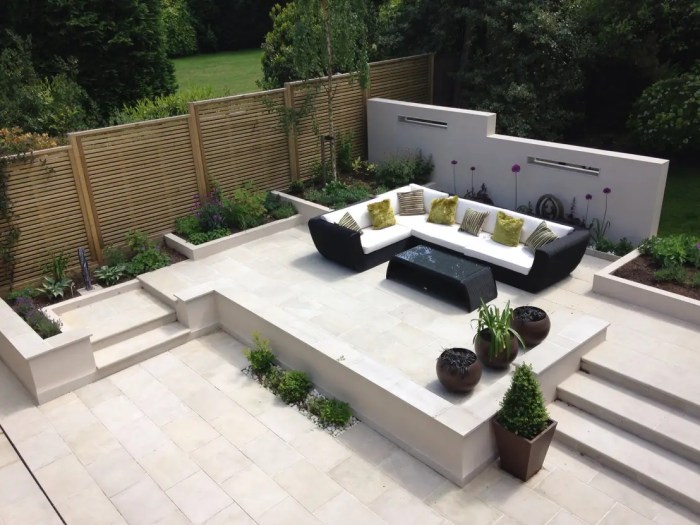
Creating functional spaces within a garden allows for relaxation, entertainment, and social gatherings. These spaces can include patios, seating areas, herb gardens, and more. Integrating these spaces seamlessly into garden layouts can enhance the overall appeal and usability of the outdoor area.
Examples of Functional Spaces:
- 1. Patio: A designated area for outdoor dining, lounging, or entertaining.
- 2. Seating Area: Comfy chairs or benches strategically placed for relaxation and enjoying the garden view.
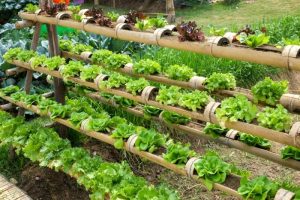
- 3. Herb Garden: A space dedicated to growing herbs for culinary or medicinal purposes.
Importance of Functional Spaces:
Creating functional spaces in a garden provides opportunities for relaxation, socializing, and enjoying the outdoors. These areas enhance the usability of the garden and encourage people to spend time outside, connecting with nature and each other.
Tips for Integration:
- – Consider the natural flow of the garden and place functional spaces where they make the most sense.
- – Use landscaping elements like pathways, hedges, or trellises to separate different areas and create a sense of privacy.
- – Choose furniture and decor that complements the overall garden design and enhances the functionality of each space.
Interior Design Inspired by Garden Elements
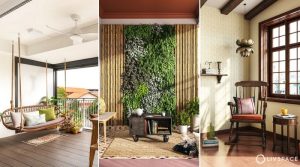
Indoor spaces can be transformed into serene retreats by incorporating elements inspired by gardens. By bringing in greenery, natural light, and earthy tones, you can create a calming atmosphere that mimics the tranquility of a garden.
Using Indoor Plants
Indoor plants not only add a touch of nature to your space but also help improve air quality and overall well-being. Consider incorporating a variety of plants with different shapes and sizes to create visual interest and bring the essence of a garden indoors.
Natural Light and Earthy Color Palettes
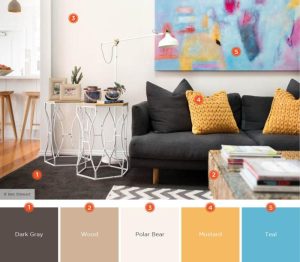
Natural light plays a key role in creating a garden-inspired interior. Maximize the use of windows and light-colored decor to enhance the brightness of your space. Earthy color palettes such as shades of green, brown, and beige can evoke a sense of the outdoors and create a harmonious connection with nature.
Botanical Prints, Textures, and Materials
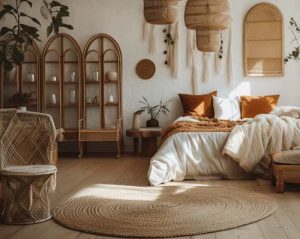
Incorporating botanical prints, textures, and materials into your interior design can further enhance the garden-inspired theme. Consider adding floral patterns, leafy textures, and natural materials like wood and rattan to bring the beauty of the outdoors inside. These elements can add depth and dimension to your space while creating a seamless transition from your garden to your interior.
Embark on your gardening journey with confidence as you embrace the beauty and simplicity of low maintenance plants. Let your garden thrive with ease and enjoy the tranquility it brings to your outdoor oasis.
FAQ Corner
What are some low maintenance plant options for different climates?
Some low maintenance plant options include succulents, lavender, ornamental grasses, yucca, and rosemary.
How can I group low maintenance plants based on their watering needs?
You can group plants with similar watering needs together to make watering more efficient and ensure each plant gets the right amount of water.
What are the benefits of incorporating low maintenance plants in garden design?
Low maintenance plants require less attention and care, making them ideal for busy individuals or those new to gardening. They can also add beauty and greenery to your garden effortlessly.