Embark on a journey through the realm of Eco-Friendly Interior Design, where sustainability meets style in perfect harmony. Learn how to transform your living spaces with environmentally conscious choices that are as chic as they are eco-friendly.
Discover the art of blending nature and design seamlessly to create a home that not only looks good but also does good for the planet.
Eco-Friendly Interior Design
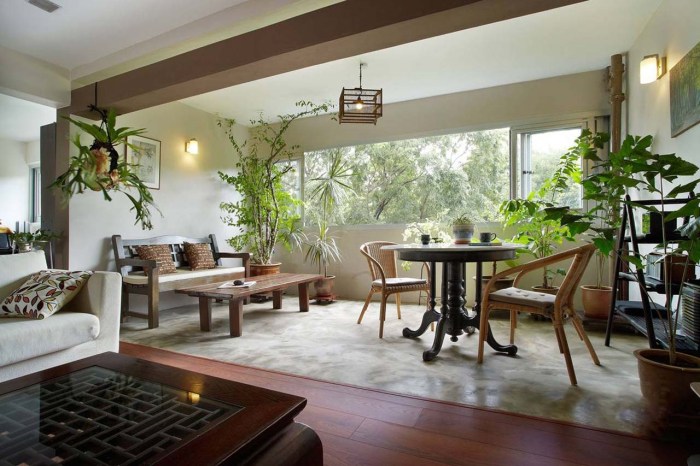
Eco-friendly interior design focuses on creating spaces that are environmentally friendly and sustainable. It involves using materials, processes, and designs that have a minimal impact on the planet.
Importance of Sustainability in Interior Design
Sustainability in interior design is crucial as it helps reduce waste, conserve resources, and promote a healthier living environment. By choosing eco-friendly materials and practices, we can contribute to a greener future for our planet.
Examples of Eco-Friendly Materials
- Bamboo: A fast-growing and renewable resource that can be used for flooring, furniture, and decor.
- Recycled Glass: Glass that has been recycled and repurposed for countertops, tiles, and decorative accents.
- Cork: A sustainable material harvested from the bark of cork oak trees, used for flooring, wall coverings, and accessories.
- Organic Cotton: Cotton grown without the use of harmful pesticides and chemicals, ideal for bedding, upholstery, and drapery.
- Low-VOC Paint: Paint with low volatile organic compounds that reduces harmful emissions and promotes better indoor air quality.
Functional Spaces
Functional spaces play a crucial role in interior design as they determine how a space is utilized and how well it serves its purpose. Optimizing space in a sustainable manner not only enhances the functionality of a room but also contributes to a more eco-friendly living environment. Here are some tips on creating multifunctional areas within a home:
Maximizing Vertical Space
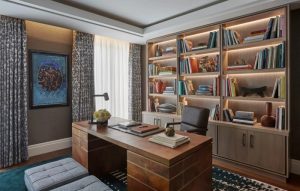
One way to optimize space usage sustainably is by making use of vertical space. Install shelves, wall-mounted cabinets, or hanging planters to free up floor space and create a more open and airy atmosphere in the room.
Flexible Furniture Solutions
Invest in furniture pieces that can serve multiple functions, such as a sofa bed, a storage ottoman, or a folding dining table. This not only saves space but also reduces the need for excess furniture, promoting a minimalist and eco-friendly design.
Natural Light and Greenery
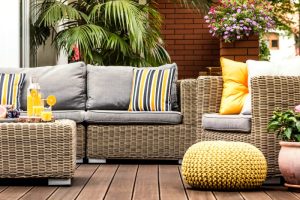
Integrate natural light and greenery into your design to make the space feel more vibrant and inviting. Large windows, skylights, and indoor plants not only enhance the aesthetics of the room but also contribute to a healthier and more sustainable living environment.
Garden Ideas
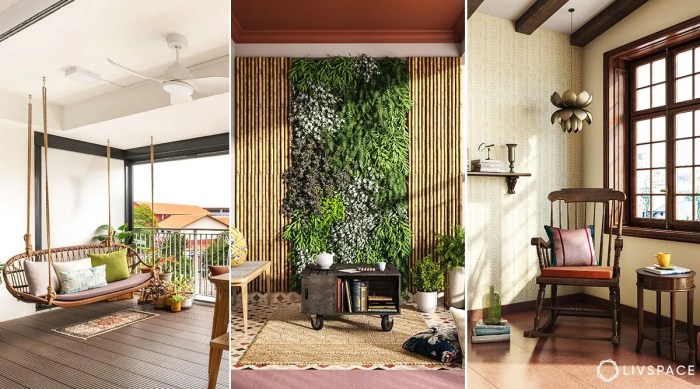
Indoor gardens can add a touch of nature to any interior space, providing not only aesthetic appeal but also numerous benefits for the occupants. From improving air quality to reducing stress levels, plants can transform a room into a more inviting and healthy environment.
Benefits of Indoor Gardens
- Improved Air Quality: Plants help to purify the air by absorbing toxins and releasing oxygen, creating a healthier indoor environment.
- Reduced Stress: Studies have shown that being around plants can reduce stress levels and promote a sense of well-being.
- Enhanced Aesthetics: Indoor gardens can add color, texture, and life to a room, creating a more visually appealing space.
Choosing Low-Maintenance Plants
- Spider Plants: Known for their air-purifying qualities, spider plants are easy to care for and can thrive in various lighting conditions.
- Succulents: These desert plants require minimal watering and can add a modern touch to any space with their unique shapes and sizes.
- Pothos: Pothos plants are resilient and can adapt to low light environments, making them ideal for indoor spaces with limited sunlight.
Interior Design
Interior design plays a crucial role in creating sustainable and eco-friendly spaces. By integrating sustainable practices into interior design, we can reduce our environmental impact while creating beautiful and functional spaces.
Integrating Sustainable Practices
- Use of recycled and upcycled materials to reduce waste and minimize the extraction of new resources.
- Choose energy-efficient lighting fixtures and appliances to reduce energy consumption.
- Incorporate natural elements like plants and sustainable wood to improve indoor air quality.
- Opt for non-toxic paints and finishes to minimize indoor air pollution.
Impact of Colors on Sustainable Design
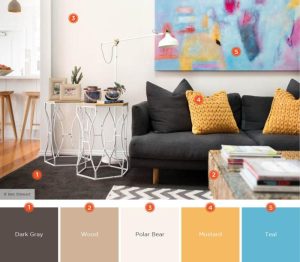
- Choosing light and neutral colors can help reduce the need for artificial lighting, saving energy.
- Using earth tones and natural hues can create a calming and sustainable atmosphere in a space.
- Opting for low-VOC or VOC-free paints can contribute to a healthier indoor environment.
Innovative Eco-Friendly Design Trends
- Biophilic design, which incorporates nature into interior spaces to enhance well-being.
- Smart home technology that enables energy-efficient and sustainable practices within the home.
- Modular and flexible furniture designs that promote longevity and adaptability in interiors.
- Zero-waste design principles that aim to minimize waste and promote circularity in design.
As we conclude our exploration of Eco-Friendly Interior Design, remember that making sustainable choices doesn’t mean compromising on aesthetics. Embrace the beauty of eco-conscious living and make a positive impact on the environment through your design decisions.
FAQ Summary
How can I incorporate eco-friendly materials into my interior design?
Consider using reclaimed wood, bamboo, or recycled glass for furniture and decor items to reduce environmental impact.
What are some benefits of having indoor plants in interior design?
Indoor plants improve air quality, reduce stress, and add a touch of nature to indoor spaces.
How can I make my home more energy-efficient through interior design?
Opt for energy-efficient lighting, use natural light where possible, and invest in high-quality insulation to reduce energy consumption.