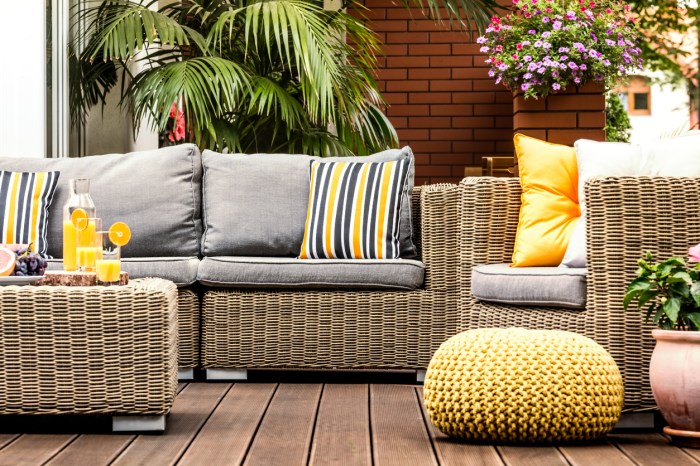
Embark on a journey into the realm of Sustainable Interior Design Materials, where eco-conscious choices shape the spaces we inhabit, blending functionality with sustainability for a harmonious living experience.
Learn about the significance of sustainable materials in interior design and how they contribute to a greener, more aesthetically pleasing environment.
Sustainable Interior Design Materials
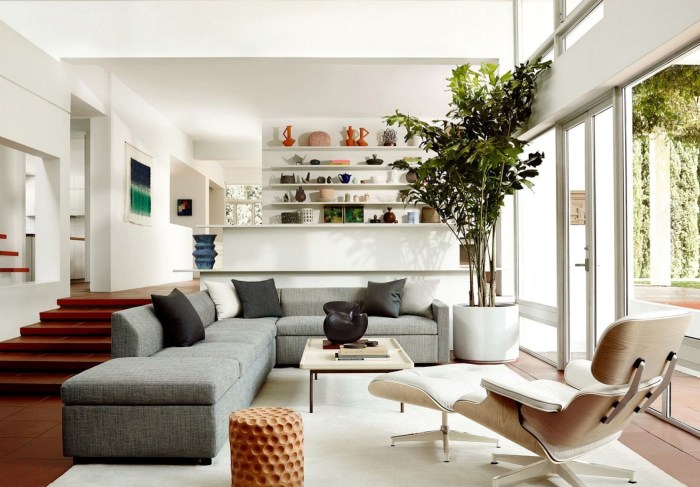
When it comes to interior design, incorporating sustainable materials is not only environmentally friendly but also beneficial for creating healthier and more eco-conscious spaces. Sustainable interior design materials are those that have been responsibly sourced, manufactured, and contribute to a reduced impact on the environment.
Examples of Eco-Friendly Materials
- Bamboo: A fast-growing and renewable resource that can be used for flooring, furniture, and decor.
- Recycled Glass: Used for countertops, tiles, and decorative elements, reducing the need for new raw materials.
- Cork: Harvested from the bark of cork oak trees without harming the tree, commonly used for flooring and wall coverings.
- Reclaimed Wood: Salvaged from old buildings or structures and repurposed for furniture, flooring, and accents.
Benefits of Sustainable Materials
- Reduced Environmental Impact: Using sustainable materials helps conserve natural resources and reduces waste and pollution.
- Healthier Indoor Spaces: Eco-friendly materials are often free of harmful chemicals and toxins, promoting better indoor air quality.
- Long-Term Cost Savings: While initial costs may be higher, sustainable materials are durable and can lead to lower maintenance and replacement expenses over time.
Tips for Sourcing Sustainable Materials
- Research Suppliers: Look for companies that prioritize sustainability and offer eco-friendly options for interior design projects.
- Certifications: Choose materials that have certifications such as Forest Stewardship Council (FSC) for wood products or Cradle to Cradle for overall sustainability.
- Local and Reclaimed: Consider locally sourced materials to reduce transportation emissions, and explore reclaimed options for a unique and environmentally conscious touch.
Functional Spaces
Designing functional spaces is crucial in interior design as it ensures that each area serves a purpose and is optimized for practical use. When sustainable materials are incorporated into the design, they not only contribute to the environment but also enhance the functionality of a space.
Enhanced Durability and Versatility
- Sustainable materials such as bamboo flooring, reclaimed wood, and recycled glass can add durability and versatility to a space. Bamboo flooring, for example, is known for its strength and eco-friendly properties, making it ideal for high-traffic areas.
- Reclaimed wood offers a unique look while being sturdy and long-lasting, perfect for creating functional furniture pieces or accent walls.
- Recycled glass can be used for countertops or decorative elements, providing a sustainable and stylish touch to the space.
Space Optimization and Practicality
- Sustainable design plays a significant role in optimizing space utilization by focusing on efficient layouts and multifunctional furniture. For instance, modular furniture made from sustainable materials allows for easy customization and reconfiguration to adapt to different needs.
- Using sustainable materials that are space-efficient, such as cork flooring or wool carpets, can help create a comfortable and practical environment without compromising on sustainability.
- Incorporating sustainable lighting solutions like LED fixtures not only reduces energy consumption but also enhances the functionality of the space by providing adequate lighting for various activities.
Garden Ideas
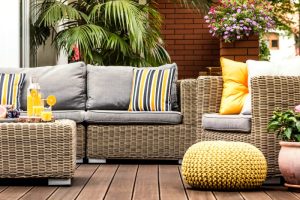
Incorporating sustainable materials in garden design not only adds a unique touch to outdoor spaces but also contributes to a more eco-friendly environment. By using environmentally friendly materials, you can create a sustainable garden that promotes biodiversity and reduces your carbon footprint.
Innovative Ways to Incorporate Sustainable Materials
- Use reclaimed wood for garden furniture or planters to give a rustic and eco-friendly look to your outdoor space.
- Install a rainwater harvesting system to collect and reuse rainwater for watering plants, reducing water consumption.
- Create pathways using permeable materials like gravel or permeable pavers to allow rainwater to seep into the ground and prevent runoff.
Advantages of Using Eco-Friendly Materials in Outdoor Spaces
- Reduce environmental impact by choosing materials that are sustainably sourced and have a lower carbon footprint.
- Promote biodiversity by creating habitats for wildlife with natural materials like bamboo, stone, or untreated wood.
- Improve air quality by planting native plants and using natural materials that do not emit harmful chemicals.
Tips for Creating a Sustainable Garden
- Choose native plants that require less water and maintenance, reducing the need for pesticides and fertilizers.
- Opt for organic mulch made from sustainable materials like wood chips, straw, or leaves to improve soil health and retain moisture.
- Avoid using synthetic pesticides and opt for natural pest control methods like companion planting or attracting beneficial insects.
Relationship between Sustainable Interior Design Materials and Outdoor Garden Design
- Carry the sustainable design principles from indoor spaces to outdoor areas by using eco-friendly materials like bamboo, recycled metals, or natural stone.
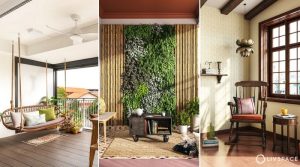
- Create a seamless transition between indoor and outdoor spaces by incorporating sustainable elements like living walls or green roofs.
- By using sustainable materials in both interior and exterior design, you can create a holistic and environmentally conscious living environment.
Interior Design
When it comes to interior design, the choice of materials plays a crucial role in determining the overall aesthetics of a space. Sustainable materials not only contribute to a more eco-friendly environment but also have a significant impact on the visual appeal of a design.
Impact of Sustainable Materials on Interior Design Aesthetics
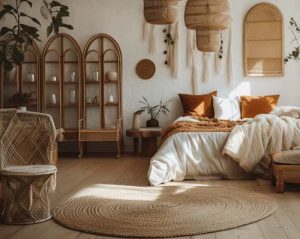
Using sustainable materials in interior design projects can enhance the overall aesthetics by adding a unique and natural touch to the space. Materials like reclaimed wood, bamboo, cork, and recycled glass can bring a sense of warmth, texture, and character to the design. Additionally, these materials often have a distinct appearance that can make a space stand out and create a more visually appealing environment.
Challenges and Opportunities of Using Sustainable Materials
- Challenges:
One of the challenges of using sustainable materials in interior design is the limited availability and higher costs compared to traditional materials. Designers may also face challenges in finding sustainable materials that meet the desired aesthetic and functional requirements.
- Opportunities:
However, using sustainable materials presents a unique opportunity to create innovative and environmentally conscious designs that resonate with the growing demand for eco-friendly spaces. It also allows designers to explore new textures, colors, and patterns that can add depth and interest to a design.
Examples of Successful Sustainable Interior Design Projects
- A commercial office space designed using reclaimed wood for flooring and furniture, along with energy-efficient lighting and recycled materials for decor.
- A residential kitchen featuring bamboo cabinets, countertops made from recycled glass, and low-VOC paint for a healthier indoor environment.
Creating a Cohesive Design with Sustainable Materials
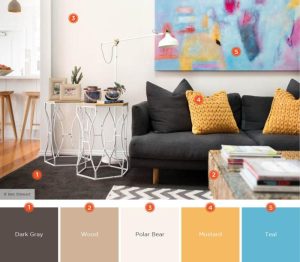
To create a cohesive design using sustainable materials, designers should focus on selecting materials that complement each other in terms of color, texture, and style. Mixing different sustainable materials can add visual interest and create a harmonious balance in the design. Additionally, incorporating natural elements like plants, stone, or water features can further enhance the overall aesthetic appeal of the space.
Explore the world of Sustainable Interior Design Materials and discover how these choices not only enhance the beauty of spaces but also pave the way for a more environmentally friendly future in design.
FAQ Insights
How do sustainable interior design materials benefit the environment?
Using sustainable materials reduces the carbon footprint of projects, conserves natural resources, and promotes healthier indoor air quality.
What are some examples of eco-friendly materials used in sustainable interior design?
Bamboo, reclaimed wood, recycled glass, and low-VOC paints are commonly used eco-friendly materials in sustainable interior design.
How can one source sustainable materials for interior design projects?
Look for certifications like FSC or Cradle to Cradle, explore local suppliers, and consider upcycling or repurposing materials for a sustainable approach.
Can sustainable materials enhance the functionality of a space?
Absolutely. Sustainable materials like modular furniture or energy-efficient lighting not only add functionality but also contribute to the overall sustainability of the space.
What role does sustainable design play in optimizing space utilization?
Sustainable design focuses on efficient use of resources, leading to well-designed spaces that promote functionality, comfort, and sustainability.