Step into a world where colors reign supreme in interior design. Discover how the right color schemes can completely transform your living room, creating a space that is not only visually appealing but also reflects your personality and style.
Explore the impact of colors on mood, the art of choosing the perfect color palette, and the latest trends in living room color schemes. Unleash your creativity and reimagine your living space with the power of color!
Color Psychology in Interior Design
Color plays a crucial role in interior design, as it has the power to influence mood, perception, and atmosphere in living spaces. Different colors evoke various emotions and can impact the overall feel of a room.
Popular Color Schemes and Their Psychological Effects
When it comes to living rooms, popular color schemes such as:
- Neutral colors like white, beige, and gray create a sense of calmness and sophistication.
- Warm tones like red, orange, and yellow can bring energy and warmth to a space.
- Cool colors such as blue, green, and purple are known for their calming and soothing effects.
These color schemes can significantly influence the mood and atmosphere of a living room, depending on the desired ambiance.
Creating Various Atmospheres with Different Colors
- Red: Known to stimulate energy and passion, making it suitable for creating a vibrant and lively atmosphere.
- Blue: Often associated with tranquility and relaxation, ideal for promoting a sense of peace and serenity in a room.
- Green: Symbolizing nature and growth, green can bring a refreshing and rejuvenating feel to a living space.
- Yellow: Radiating warmth and happiness, yellow can brighten up a room and create a cheerful environment.
- Purple: Representing luxury and creativity, purple can add a touch of elegance and sophistication to a living room.
By strategically incorporating different colors into the design scheme, interior designers can effectively create various atmospheres to suit the preferences and lifestyle of the residents.
Choosing the Right Color Scheme
When selecting a color scheme for your living room, it’s essential to create a cohesive palette that enhances the overall look and feel of the space.
Here are some tips to help you choose the right color scheme:
Selecting a Cohesive Color Palette
Start by deciding on a base color that will set the tone for the room. Consider the size of the room, the amount of natural light it receives, and the mood you want to create. Neutral colors like beige, gray, or white are versatile options that can serve as a foundation for your color scheme.
- Choose one or two main colors to complement the base color. These should be shades that work well together and create a harmonious look.
- Consider using different shades of the same color to add depth and dimension to the room.
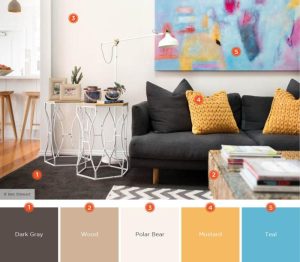
- Use the 60-30-10 rule: 60% of the room should be the dominant color, 30% the secondary color, and 10% an accent color.
Incorporating Accent Colors
Accent colors are an excellent way to add visual interest and personality to your living room. They can be introduced through accessories, artwork, or furniture pieces.
- Choose accent colors that complement the main colors in your palette. Look for shades that provide contrast and create a focal point in the room.
- Consider using bold or vibrant colors sparingly to draw attention to specific areas and create a dynamic look.
Complementary Color Combinations
Complementary colors are hues that are opposite each other on the color wheel. When used together, they create a vibrant and balanced look in a room.
| Complementary Color Combination | Description |
|---|---|
| Blue and Orange | This combination creates a striking contrast while maintaining a sense of harmony. |
| Green and Red | These colors work well together to create a warm and inviting atmosphere. |
| Purple and Yellow | This pairing adds a touch of luxury and sophistication to a living room. |
Trends in Living Room Color Schemes
When it comes to interior design color schemes for living rooms, staying up to date with the latest trends is essential. Let’s explore the current trends in living room color schemes that are making waves in the design world.
Emerging Color Combinations
Emerging color combinations that are gaining popularity in living rooms include:
- Soft pastels paired with neutral tones for a calming and inviting atmosphere.
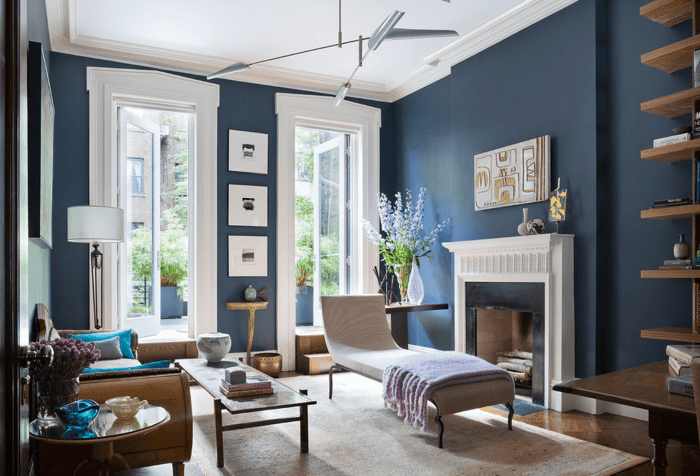
- Rich jewel tones like emerald green and sapphire blue for a touch of luxury and sophistication.
- Monochromatic schemes using varying shades of the same color for a modern and cohesive look.
Timeless Color Schemes
Some color schemes never go out of style and continue to remain popular choices for living rooms:
- Neutral color palettes such as beige, ivory, and gray that create a versatile backdrop for any decor style.
- Classic black and white combinations for a timeless and elegant aesthetic that can be easily accessorized with pops of color.
- Earthy tones like warm browns and terracotta for a cozy and inviting feel inspired by nature.
Implementing Color Schemes in Functional Spaces
When it comes to interior design, color schemes play a crucial role in enhancing the functionality of living rooms. The right choice of colors can make a space feel larger, cozier, and even help define different areas within an open-concept living room.
Creating the Illusion of Space
Lighter colors such as soft neutrals, pastels, and whites can make a room feel more spacious and airy. These colors reflect light, giving the illusion of a larger space. Opting for a monochromatic color scheme with different shades of the same color can also contribute to this effect.
Adding Warmth and Coziness
On the other hand, warm tones like earthy browns, deep reds, and golden yellows can create a cozy and inviting atmosphere in a living room. These colors are perfect for making a large room feel more intimate and comfortable, especially during the colder months.
Defining Areas in an Open Concept Space
Using different colors to define specific areas within an open-concept living room can help create visual boundaries and add a sense of structure to the space. For example, painting one wall in a darker color can separate the dining area from the sitting area, while keeping the rest of the room in lighter hues maintains a sense of cohesion.
Garden Ideas for Indoor Spaces
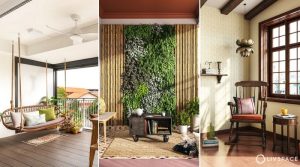
Bringing elements of the garden into the living room design can create a refreshing and peaceful ambiance. By incorporating plants, natural materials, and earthy tones, you can achieve a botanical feel that connects you with nature.
Using Plants for Indoor Garden Ambiance
- Choose a variety of indoor plants such as ferns, succulents, and peace lilies to add greenery to your living room.
- Place plants in decorative pots and planters to complement your interior design style.
- Consider hanging plants from the ceiling or placing them on shelves to maximize space.
Incorporating Natural Materials and Earthy Tones
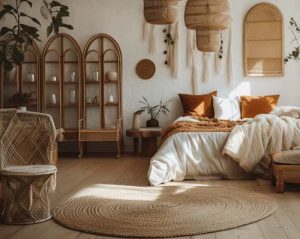
- Opt for furniture made from natural materials like wood, rattan, or bamboo to enhance the organic feel of the space.
- Use earthy tones such as shades of green, brown, and beige for walls, furniture, and decor to create a cohesive garden-inspired palette.
- Add texture with natural fiber rugs, jute curtains, and wooden accents to bring warmth and depth to the room.
Enhancing with Natural Light and Greenery
- Maximize natural light by keeping windows clear of heavy curtains and using sheer or light-filtering options instead.
- Position plants near windows or in well-lit areas to thrive and infuse the room with a fresh, oxygenated atmosphere.
- Consider incorporating a vertical garden or a living wall as a focal point to create a lush indoor garden feature.
Integrating Interior Design with Garden Spaces
When it comes to creating a seamless connection between indoor living areas and outdoor garden spaces, integrating interior design with garden spaces can truly elevate the overall ambiance of your home. By carefully considering color schemes and design elements, you can achieve a cohesive look that blends the indoors with the outdoors effortlessly.
Connecting Color Schemes between Indoor Living Rooms and Outdoor Garden Spaces
One effective way to create a harmonious flow between indoor and outdoor spaces is by using a consistent color scheme. By choosing colors that complement each other, you can establish a visual connection that transitions smoothly from the living room to the garden.
- Consider incorporating natural hues like greens, browns, and blues in both indoor and outdoor spaces to create a sense of unity.
- Use accent colors that can be found in your garden, such as vibrant florals or earthy tones, to tie the two areas together.
- Opt for materials like wood or stone that can be used both indoors and outdoors to enhance the cohesive design.
Creating a Cohesive Design Flow
To ensure a seamless transition between interior living areas and garden landscapes, it’s essential to pay attention to the design elements that connect the two spaces.
| Indoor Design Elements | Outdoor Design Elements |
| Large windows or glass doors that offer views of the garden | A pathway or walkway that leads from the indoor living room to the garden |
| Indoor plants or greenery that mimic the outdoor garden | Outdoor seating areas that mirror the comfort of indoor furniture |
| Natural textures like rattan or linen that can be used in both spaces | Garden features like a water fountain or fire pit that enhance the overall ambiance |
Elevate your living room design with the perfect color scheme that resonates with your unique taste. Let your living space tell a story through colors that evoke emotions and set the tone for a welcoming ambiance. Dive into the world of interior design color schemes and watch your living room come to life with vibrancy and style.
Q&A
How do colors impact mood in living rooms?
Colors can influence emotions and perceptions in living spaces, with warm tones creating a cozy atmosphere and cool tones promoting calmness and relaxation.
What are some tips for choosing the right color scheme?
Consider the size of your living room, the existing furniture and decor, and your personal preferences when selecting a color palette. Experiment with accent colors to add visual interest.
Are there any timeless color schemes for living rooms?
Neutral tones like whites, beiges, and greys are classic choices that never go out of style. They provide a versatile backdrop for various design styles and can be easily updated with accent pieces.