Embark on a journey of creativity and efficiency with Garden Ideas for Growing Vegetables, exploring vertical gardening, companion planting, raised beds, and container gardening.
Discover how to make the most of your gardening space and enhance your vegetable cultivation experience.
Garden Ideas for Growing Vegetables
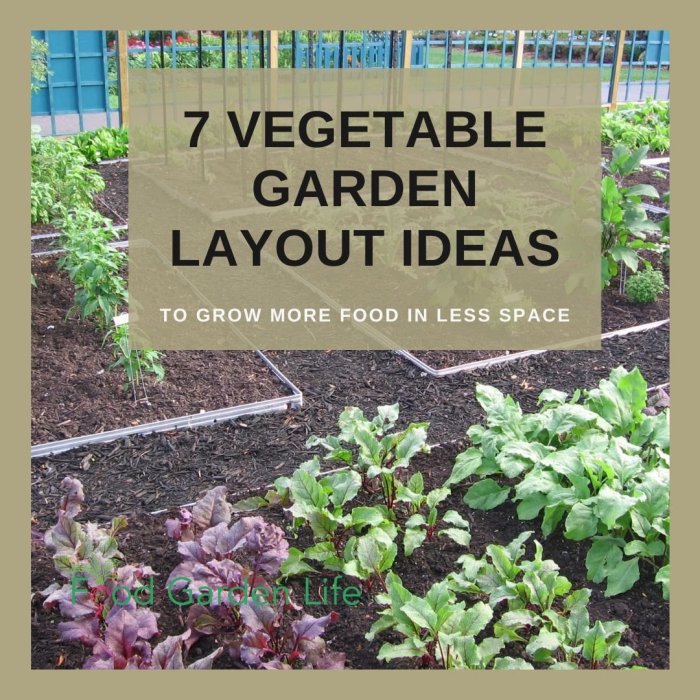
When it comes to growing vegetables, there are various innovative techniques that can be utilized to maximize space and yield. From vertical gardening to companion planting, here are some creative ideas to consider:
Vertical Gardening Techniques for Small Spaces
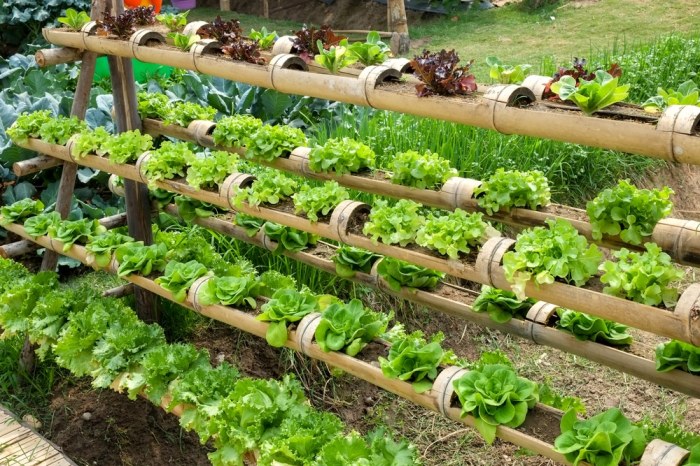
- Utilize vertical space by installing trellises, wall-mounted planters, or hanging baskets to grow vining vegetables like tomatoes, cucumbers, and beans.
- Consider using a vertical hydroponic system to grow herbs and leafy greens indoors, making the most of limited space.
- Repurpose old pallets or shelving units to create a vertical garden for a variety of vegetables, perfect for balconies or small patios.
Companion Planting Strategies for Maximizing Space and Yield
- Plant complementary vegetables together to deter pests, improve soil health, and increase crop productivity.
- Examples of companion planting include pairing tomatoes with basil, carrots with onions, and corn with beans and squash.
- Experiment with intercropping techniques to grow multiple crops in the same space, benefiting from synergistic relationships between plants.
Benefits of Raised Bed Gardening for Vegetable Cultivation
- Raised beds provide better drainage, soil aeration, and weed control compared to traditional garden beds, resulting in healthier vegetable plants.
- They offer easier access for planting, watering, and harvesting, reducing strain on the gardener’s back and knees.
- Raised beds can be customized to fit any space, making them ideal for urban gardens, rooftop terraces, or backyard settings.
Creative Container Gardening Ideas for Vegetables
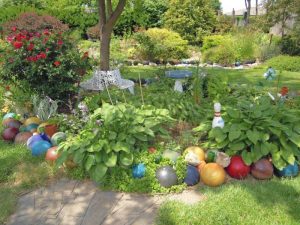
- Repurpose old containers like buckets, crates, or even recycled tires to grow a variety of vegetables on patios, decks, or windowsills.
- Consider using self-watering containers or vertical tower planters for compact spaces, ensuring consistent moisture for healthy vegetable growth.
- Experiment with unique containers like hanging shoe organizers, pallet planters, or repurposed gutters to create a whimsical vegetable garden with limited space.
Functional Spaces in Garden Design
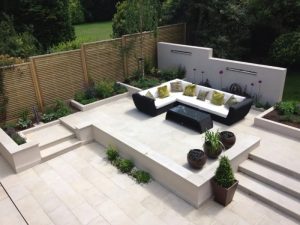
When designing a garden layout, it is essential to create functional spaces that serve specific purposes to maximize the efficiency and enjoyment of the garden.
Defining Zones in a Functional Garden Layout
Dividing the garden into zones helps to organize different activities and plantings effectively. Some common zones include vegetable beds, relaxation areas, storage areas, and pathways.
Seating Options for Relaxation Areas
When choosing seating options for relaxation areas in the garden, consider factors such as comfort, durability, and aesthetics. Some popular choices include benches, Adirondack chairs, hammocks, and swing sets.
Essential Tools and Storage Solutions
Having the right tools and storage solutions is crucial for maintaining a functional garden. Essential tools include a trowel, pruners, shovel, watering can, and gloves. Storage solutions like tool sheds, storage boxes, and hanging racks help keep everything organized.
Practical Irrigation System
Designing a practical irrigation system ensures that your vegetable beds receive adequate water without wastage. Consider options such as drip irrigation, soaker hoses, or a timed sprinkler system to efficiently water your plants.
Interior Design Inspirations for Garden Spaces
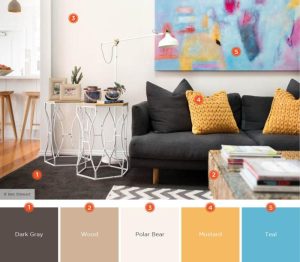
Creating a harmonious connection between indoor and outdoor spaces can greatly enhance the overall appeal of your home. By incorporating elements of nature into your interior design, you can create a seamless transition that brings the beauty of the outdoors inside.
Incorporating Indoor Plants
- Choose a variety of indoor plants that thrive in natural light and can help purify the air.
- Place plants strategically near windows or in areas that receive ample sunlight to mimic the outdoor garden feel.
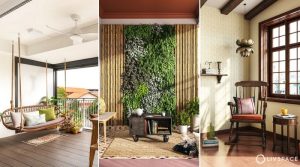
- Consider hanging plants or vertical planters to maximize space and add a touch of greenery to your interior.
Selecting Complementary Furniture
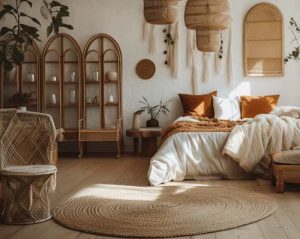
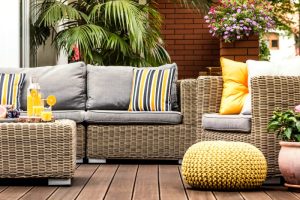
- Opt for furniture pieces made from natural materials like wood or rattan to complement the organic feel of the garden.
- Choose pieces with earthy tones or botanical-inspired patterns to tie in with the outdoor theme.
- Keep furniture minimal and functional to maintain a sense of openness and flow between indoor and outdoor spaces.
Integrating Natural Elements
- Use stone accents or wooden finishes in your interior design to bring a touch of nature indoors.
- Create focal points with natural elements like a stone fireplace or a reclaimed wood feature wall.
- Incorporate indoor water features or pebble accents to evoke a sense of tranquility and relaxation in your space.
Enhancing Ambiance with Lighting
- Install ambient lighting fixtures like string lights or lanterns to create a cozy atmosphere in your garden space.
- Consider using LED lights to highlight specific plants or architectural features in your indoor garden.
- Use candles or solar-powered lights for a more sustainable and eco-friendly lighting option in your garden areas.
As we conclude our discussion on Garden Ideas for Growing Vegetables, remember to implement these strategies to create a thriving and beautiful vegetable garden that adds life to your outdoor space.
FAQ Resource
How can I maximize space in a small garden for growing vegetables?
You can utilize vertical gardening techniques, companion planting, and raised beds to make efficient use of space.
What are some creative container gardening ideas for growing vegetables?
You can use items like old buckets, wooden crates, or even hanging shoe organizers to create unique container gardens.
Why is companion planting important for vegetable cultivation?
Companion planting helps maximize space, deter pests, and improve crop yield through mutually beneficial plant pairings.