Embark on a journey through Zen Garden Ideas for Tranquil Spaces, where the essence of peace and tranquility is captured in every design element, offering a sanctuary for the mind and soul.
Discover the art of harmonizing nature and minimalism to create serene outdoor spaces that inspire relaxation and rejuvenation.
Zen Garden Design Ideas
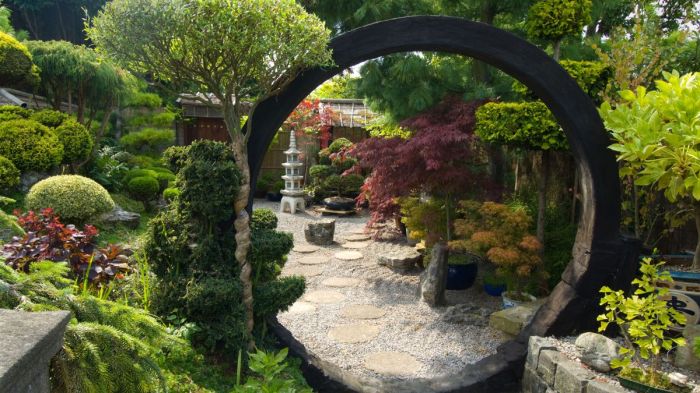
Creating a tranquil space in a Zen garden involves incorporating specific elements and design principles that promote relaxation and peace of mind. By focusing on minimalism, natural materials, and symmetry, a Zen garden can become a serene retreat for meditation and contemplation.
Key Elements of Zen Garden Design
- Minimalism: Zen gardens are known for their simplicity and lack of clutter. By keeping the design minimal, with only essential elements, the space feels calm and uncluttered.
- Natural Materials: Using natural materials such as rocks, gravel, sand, and wood helps create a harmonious connection with nature in a Zen garden.
- Symmetry: Balance and symmetry play a crucial role in Zen garden design, creating a sense of harmony and order that contributes to the peaceful atmosphere.
Zen Garden Layouts and Features
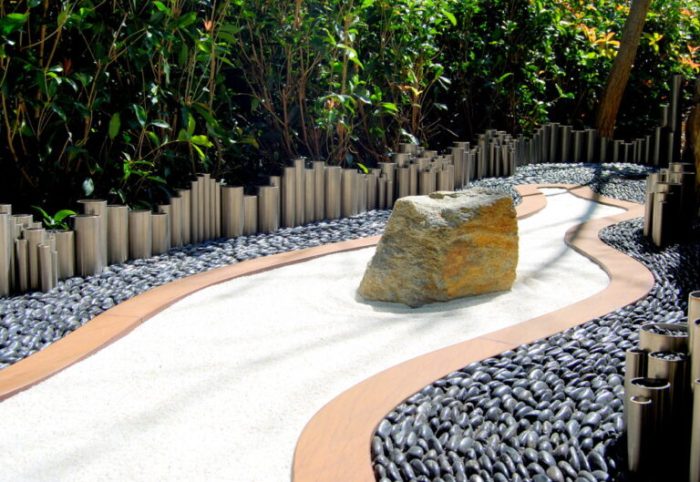
- Dry Landscape (Karesansui): This type of Zen garden features rocks and gravel raked in patterns to represent water and islands, promoting a sense of tranquility and contemplation.
- Tea Garden (Chaniwa): Tea gardens are designed for tea ceremonies and often include stepping stones, lanterns, and water features to enhance the meditative experience.
- Moss Garden (Tsubo-Niwa): Moss gardens create a lush, green carpet that symbolizes eternal peace and tranquility, inviting visitors to relax and unwind.
Functional Spaces in Zen Gardens
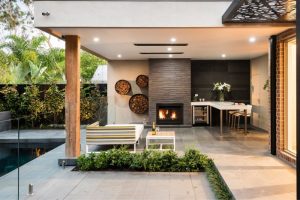
Functional spaces in Zen gardens play a crucial role in creating a serene and tranquil atmosphere for relaxation and contemplation. These spaces are designed to not only enhance the beauty of the garden but also to provide practical elements that promote mindfulness and peacefulness.
Seating Areas and Meditation Spots
Seating areas and meditation spots are essential in Zen gardens as they offer a place for individuals to sit and reflect. Incorporating comfortable benches, cushions, or traditional stone seats can provide a peaceful retreat for meditation or simply enjoying the beauty of the garden.
Pathways and Walkways
- Create pathways and walkways using natural materials like gravel, stepping stones, or wooden planks. These paths can guide visitors through the garden and encourage a slow and mindful pace as they appreciate the surrounding nature.
- Consider adding curves or meandering paths to symbolize the journey of life and the importance of being present in the moment.
Water Features
- Integrating water features such as fountains, ponds, or streams can bring a sense of tranquility and calmness to a Zen garden. The sound of flowing water can help mask distractions and create a peaceful ambiance.
- Choose water elements that fit harmoniously with the overall design of the garden and consider incorporating rocks or plants around the water feature to enhance its natural beauty.
Aesthetics vs. Functionality
When designing functional spaces in Zen gardens, it is important to strike a balance between aesthetics and functionality. While the overall appearance of the garden should be harmonious and visually appealing, practical elements such as seating areas, pathways, and water features should also serve a purpose in promoting relaxation and mindfulness.
Interior Design Inspiration from Zen Gardens
When it comes to creating a serene home environment, drawing inspiration from Zen gardens can bring a sense of tranquility and harmony to your living space. By incorporating elements of Zen garden design into your interior, you can cultivate a peaceful atmosphere that promotes relaxation and mindfulness.
Clean Lines and Minimalism
One key aspect of Zen gardens is the emphasis on clean lines and minimalism. In interior design, this can be translated into simple and clutter-free spaces that allow for a sense of openness and tranquility. Opt for furniture with clean, straight lines and declutter your space to create a calming environment.
Natural Textures and Materials
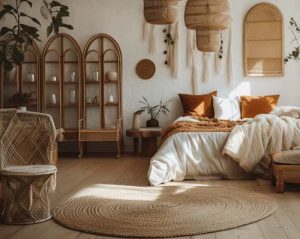
Zen gardens often feature natural elements such as rocks, gravel, and bamboo. You can bring these textures indoors by incorporating natural materials like wood, stone, and plants into your interior design. Consider adding wooden furniture, stone accents, or potted plants to create a connection to nature within your home.
Balance and Harmony
Zen gardens are designed to evoke a sense of balance and harmony, with each element carefully placed to create a cohesive whole. In interior design, you can achieve this by ensuring that your space is well-balanced in terms of color, texture, and furniture arrangement. Aim for a harmonious flow throughout your home to promote a sense of peace and tranquility.
In conclusion, Zen Garden Ideas for Tranquil Spaces encapsulates the perfect blend of nature, design, and tranquility, inviting you to embrace a sense of calm in your surroundings.
Top FAQs
How can I incorporate Zen garden elements into my own outdoor space?
You can start by introducing natural materials, simple lines, and a sense of balance in your garden design to create a tranquil atmosphere.
Are Zen gardens only suitable for large outdoor areas?
No, Zen garden principles can be adapted to suit any space, whether it’s a small backyard or a balcony garden.
What role does symmetry play in Zen garden design?
Symmetry is essential in creating a sense of harmony and balance in a Zen garden, promoting a peaceful environment.