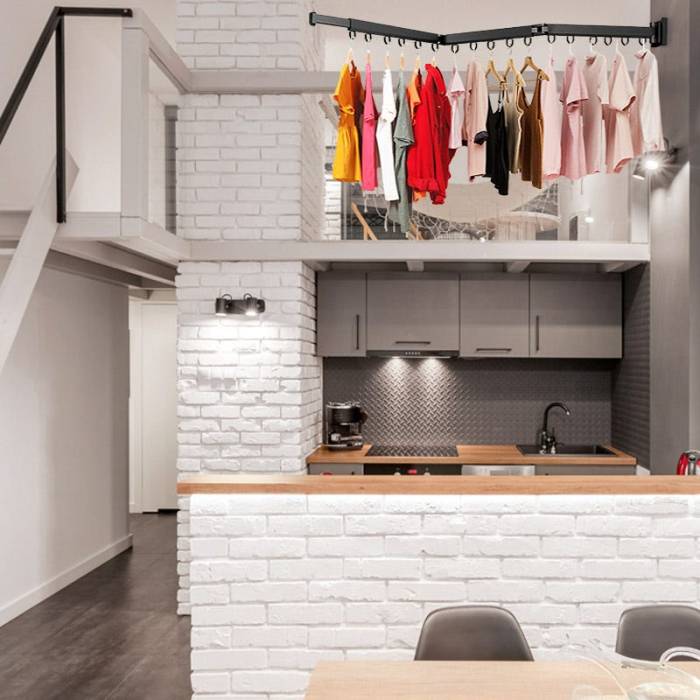
As Maximizing Functional Spaces in Small Rooms takes center stage, this opening passage beckons readers into a world crafted with good knowledge, ensuring a reading experience that is both absorbing and distinctly original.
Small rooms pose unique challenges, but with the right strategies and creativity, they can be transformed into functional and stylish spaces that maximize every inch of available area. This guide will explore various techniques and solutions to help you make the most out of limited room sizes.
Maximizing Functional Spaces in Small Rooms
Maximizing space utilization in small rooms is essential to create a comfortable and functional living environment. By optimizing the layout and organization of a small space, you can make the most out of every inch available, ensuring that the room serves its purpose efficiently.
Decluttering to Create Functional Spaces
One of the first steps in maximizing functional spaces in small rooms is decluttering. Remove unnecessary items, organize belongings, and create a sense of openness in the room. This not only makes the space feel larger but also allows for easier navigation and access to essential items.
Importance of Multi-functional Furniture
Investing in multi-functional furniture is key to maximizing space in small rooms. Pieces that serve multiple purposes, such as a sofa bed or a storage ottoman, can help maximize functionality without taking up extra space. Look for furniture that offers storage solutions or can be easily transformed to adapt to different needs.
Clever Storage Solutions for Small Spaces
- Utilize vertical space by installing shelves or wall-mounted storage units.
- Choose furniture with built-in storage, such as beds with drawers underneath or coffee tables with hidden compartments.
- Use storage baskets, bins, and containers to keep items organized and out of sight.
- Opt for furniture that can be folded or collapsed when not in use to free up floor space.
Functional Spaces Garden Ideas
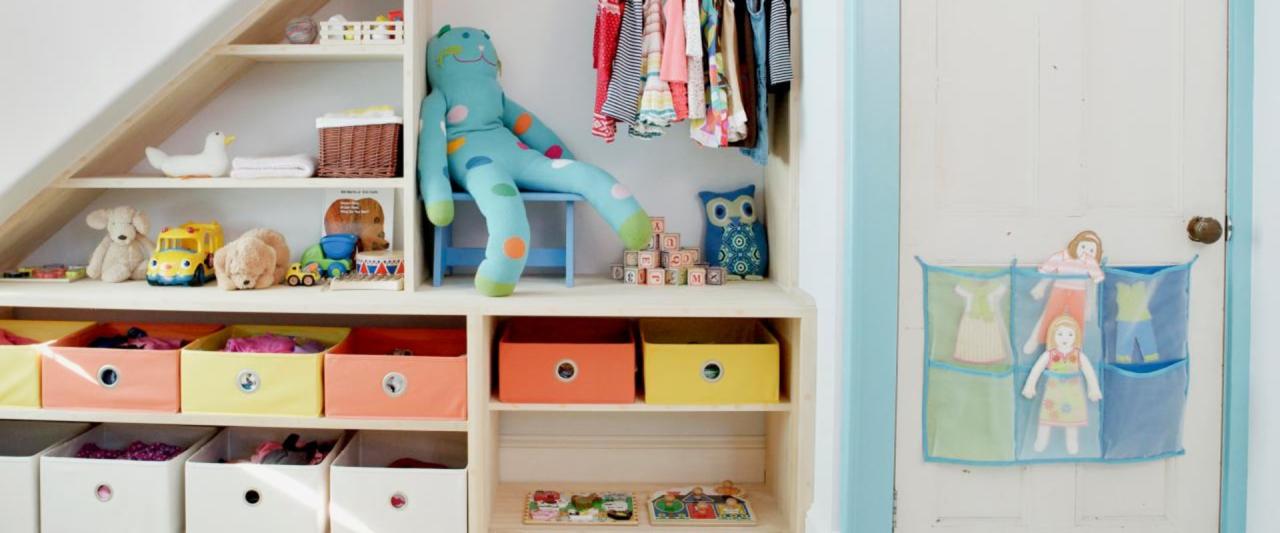
Creating a functional garden space in a small area can be a rewarding challenge. By maximizing every inch of space, you can design a garden that not only looks beautiful but also serves a practical purpose.
Designing a Functional Garden Space
When designing a garden in a small area, consider vertical gardening to make the most of limited space. Use hanging planters, trellises, and wall-mounted containers to add greenery without taking up valuable ground space. Additionally, opt for multi-functional furniture such as benches with built-in planters or storage compartments to maximize functionality.
Selecting Plants for Aesthetic and Functional Purposes
Choose plants that not only enhance the visual appeal of your garden but also serve a functional purpose. For example, herbs like basil, rosemary, and mint not only look beautiful but can also be used in cooking. Plants like lavender and citronella can act as natural insect repellents, adding both beauty and functionality to your garden.
Vertical Gardening in Small Spaces
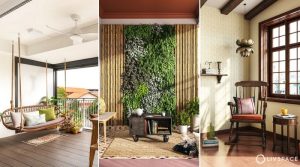
Vertical gardening is a great way to maximize space in a small garden. Consider installing a living wall or vertical planters to grow a variety of plants without taking up valuable ground space. You can also use trellises or arbors to create a vertical element in your garden and add visual interest.
Incorporating Seating Areas and Pathways
Incorporating seating areas and pathways in a small garden can help create a sense of balance and functionality. Consider using compact furniture like folding chairs or benches that can be easily stored when not in use. Opt for narrow pathways made of stepping stones or gravel to maximize space while still allowing for easy access throughout the garden.
Interior Design for Small Rooms
When it comes to maximizing space in small rooms, interior design plays a crucial role. By following certain principles and techniques, you can create the illusion of a larger space and make the room more functional and visually appealing.
Color Schemes and Lighting Techniques
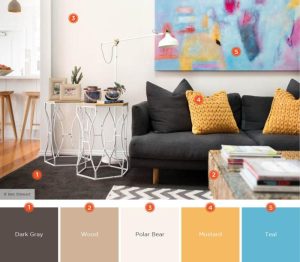
Choosing the right color schemes for small rooms can significantly impact the perception of space. Light colors such as whites, creams, and pastels can make a room feel more spacious and airy. Additionally, proper lighting techniques, such as using soft and ambient lighting, can create a cozy atmosphere while visually expanding the room.
Use of Mirrors and Reflective Surfaces
Mirrors are a great trick to make small rooms appear larger. Placing mirrors strategically to reflect natural light can brighten up the space and create an illusion of depth. Incorporating reflective surfaces like glass or metallic finishes can also add a sense of openness to the room.
Furniture Arrangement Strategies
- Opt for multi-functional furniture pieces such as storage ottomans or sofa beds to maximize space.
- Place furniture away from walls to create a sense of flow and openness in the room.
- Consider using furniture with exposed legs to give the impression of more floor space.
- Scale down on the size of furniture to avoid overwhelming the room and ensure proper circulation.
In conclusion, maximizing functional spaces in small rooms requires a blend of smart organization, versatile furniture, and clever design choices. By implementing the tips and ideas discussed, you can create rooms that not only look great but also serve their purpose efficiently, proving that size is no limitation to creating inviting and practical living spaces.
FAQ Compilation
How can I make my small room feel more spacious?
To make a small room feel larger, opt for light colors, use mirrors to reflect light, and choose furniture with exposed legs to create a sense of openness.
What are some multi-functional furniture pieces ideal for small rooms?
Convertible sofa beds, storage ottomans, and wall-mounted desks are great options for maximizing functionality in small spaces.
Is it possible to have a small garden in a limited outdoor area?
Absolutely! Vertical gardening, hanging planters, and clever plant arrangements can help you create a beautiful and functional garden even in a small space.