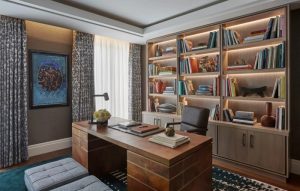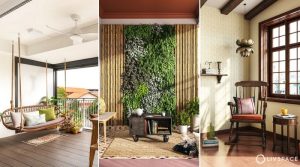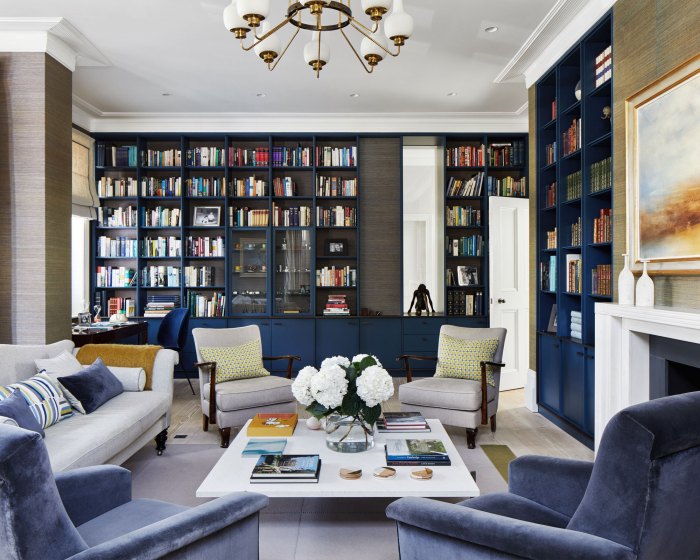
Embark on a journey into the world of functional family room layouts where practicality meets aesthetics, providing insights on optimizing space and creating designated zones for various activities.
Explore the key elements, furniture arrangements, and tips for a well-designed family room that seamlessly combines functionality and style.
Functional Space Layout for Family Rooms
When designing a functional family room layout, there are key elements to consider to ensure the space is conducive to various activities and functions. Maximizing space utilization and creating designated zones within the family room are essential for a well-organized and versatile living area. Let’s explore some tips and examples to achieve a functional layout.
Key Elements to Consider
- Consider the traffic flow: Ensure there are clear pathways and no obstructions that could hinder movement within the room.
- Flexible seating arrangements: Opt for furniture that can be easily rearranged to accommodate different activities or gatherings.
- Multipurpose storage solutions: Incorporate furniture pieces that offer storage options to keep the room clutter-free.
- Natural lighting and ventilation: Maximize natural light and airflow to create a bright and airy atmosphere.
Maximizing Space Utilization
- Use vertical space: Install shelves or cabinets to make use of wall space for storage and display.
- Multipurpose furniture: Choose items like ottomans with storage or coffee tables with lift tops to serve dual functions.
- Utilize corners: Place corner shelves or seating to make the most of every inch of the room.
Creating Designated Zones
- Entertainment zone: Arrange the TV, sound system, and seating in a way that is conducive to movie nights or gaming sessions.
- Reading nook: Set up a cozy corner with a comfortable chair, good lighting, and a bookshelf for a relaxing reading spot.
- Kids’ play area: Designate a section for toys, games, and activities to keep the little ones entertained and organized.
Examples of Furniture Arrangements
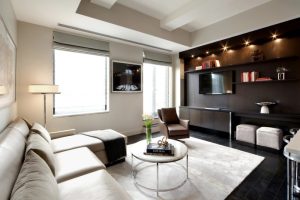
- L-Shaped Sofa Configuration: Perfect for creating a cozy seating area that encourages conversation and relaxation.
- Central Coffee Table: Place a coffee table in the middle of the room to provide a focal point and convenient surface for drinks and snacks.
- Zone with Area Rugs: Use area rugs to define different zones within the family room, such as a seating area or a play area for kids.
Functional Spaces
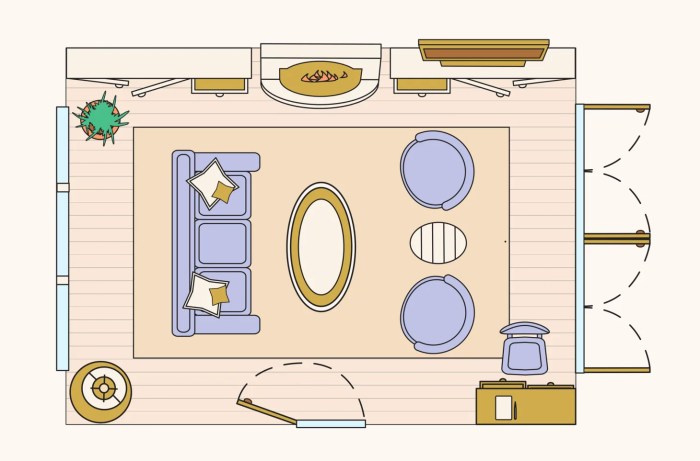
Functional spaces within a home are areas designed to serve specific purposes efficiently and effectively. These spaces are carefully planned to optimize usability and cater to the needs of the inhabitants. When it comes to family rooms, living rooms, and dens, each area has its unique functionality that caters to different activities and preferences.
Comparison of Family Rooms with Other Living Spaces
Family rooms are typically designed to accommodate various activities such as watching TV, playing games, and spending quality time with family members. They are often more casual and relaxed compared to formal living rooms, which are usually reserved for entertaining guests. Dens, on the other hand, are smaller, cozier spaces that can serve as a quiet retreat or a home office.
Ideas for Creating Multifunctional Spaces
To optimize the usability of a home, creating multifunctional spaces is key. One way to achieve this is by using furniture that can serve multiple purposes, such as a sofa bed or a coffee table with storage compartments. Additionally, incorporating flexible storage solutions like modular shelving units or hidden cabinets can help maximize space and keep the area organized.
Benefits of Flexible Furniture and Storage Solutions
Flexible furniture and storage solutions play a crucial role in creating functional spaces within a home. They allow for easy adaptation to changing needs and preferences, making the space more versatile and efficient. By investing in furniture that can be easily moved or reconfigured, homeowners can make the most out of their living areas and ensure that every square foot is utilized effectively.
Garden Ideas
When designing a family-friendly garden, it is important to consider how to seamlessly integrate indoor and outdoor spaces for a cohesive design. Functional landscaping plays a key role in creating a space that is both aesthetically pleasing and practical for the whole family to enjoy. Here are some tips for designing a garden that complements the functional layout of family rooms:
Integrating Indoor and Outdoor Spaces
- Consider creating a patio or deck area that directly connects to the family room, providing easy access to the outdoors.
- Use sliding glass doors or large windows to blur the boundaries between indoor and outdoor spaces, allowing natural light to flow in.
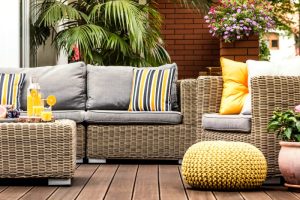
- Add outdoor furniture and decor that mirrors the style and color scheme of your family room for a cohesive look.
Functional Landscaping for Family-Friendly Garden
- Include features like a play area for kids, a vegetable garden, or a cozy fire pit for family gatherings.
- Plant low-maintenance greenery and flowers that are safe for children and pets to roam around.
- Create designated pathways and seating areas to encourage outdoor activities and relaxation.
Enhancing Functionality with Garden Features
- Install a pergola or awning to provide shade for outdoor dining or lounging areas, extending the usability of the space.
- Incorporate a water feature like a fountain or pond to add a calming element to the garden, promoting relaxation and tranquility.
- Consider adding a built-in barbecue or outdoor kitchen to enhance the functionality of the garden for family gatherings and entertaining guests.
Interior Design
Interior design plays a crucial role in enhancing the functionality of a space by carefully planning and organizing the layout, furniture, and decor to optimize usability and comfort.
Color Schemes, Lighting, and Decor Choices
Color schemes, lighting, and decor choices can greatly impact the functionality of family rooms. For example, using light and neutral colors can make a space feel more open and inviting, while strategic lighting placement can enhance visibility and create different moods. Decor choices such as multi-functional furniture pieces or storage solutions can also contribute to maximizing the functionality of the room.
Incorporating Smart Home Technology
Incorporating smart home technology in family rooms can significantly improve functionality. Smart lighting systems, thermostats, and entertainment setups can be controlled remotely or through voice commands, making it easier to adjust the room environment to suit different activities or preferences.
Maintaining a Balance Between Aesthetics and Functionality
To maintain a balance between aesthetics and functionality in interior design, it’s important to prioritize the needs and lifestyle of the family. Opt for furniture that is both stylish and comfortable, choose decor that adds personality without cluttering the space, and invest in smart solutions that enhance convenience without sacrificing style. Regularly reassessing the layout and making adjustments as needed can help ensure the family room remains both functional and visually appealing.
As we conclude our discussion on functional space layout for family rooms, remember that a well-planned layout can truly transform your living space into a harmonious blend of comfort and efficiency.
Top FAQs
How can I optimize space utilization in my family room?
To optimize space, consider multifunctional furniture, smart storage solutions, and creating designated zones for different activities.
What are the benefits of flexible furniture in family rooms?
Flexible furniture allows for easy rearrangement to suit various activities and can adapt to changing needs within the family room.
How important is lighting in enhancing the functionality of family rooms?
Proper lighting is crucial as it can affect the mood, visibility, and overall functionality of the space, making it essential for a well-designed family room.