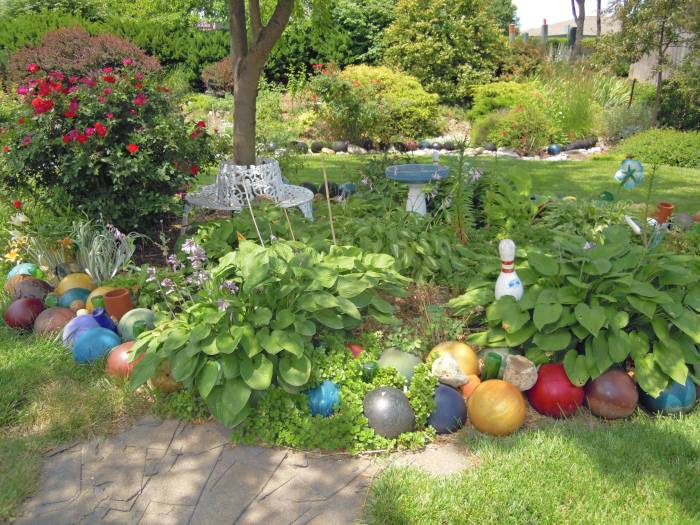
As Unique Garden Design Ideas takes center stage, this opening passage beckons readers into a world crafted with good knowledge, ensuring a reading experience that is both absorbing and distinctly original.
From functional seating areas to innovative repurposing techniques, this guide explores the art of creating unique and captivating garden designs that will inspire both novice and experienced gardeners alike.
Functional Spaces in Garden Design
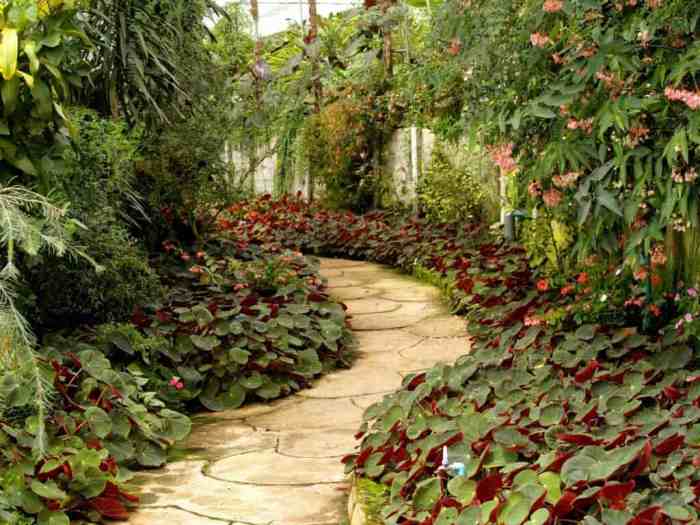
Creating functional spaces in garden design is essential to make the outdoor area both practical and visually appealing. Incorporating seating areas, pathways, designated zones, and water features can enhance the overall experience of a garden.
Incorporating Seating Areas
- Place benches, chairs, or hammocks strategically to provide comfortable seating options.
- Consider the view and sunlight exposure when positioning seating areas in the garden.
- Use natural elements like rocks or tree stumps as unconventional seating options to add a unique touch.
Importance of Pathways
- Pathways not only guide visitors through the garden but also help define different areas.
- Choose materials like gravel, stepping stones, or wood chips for pathways that blend well with the garden’s design.
- Ensure pathways are wide enough for easy navigation, especially for those with mobility challenges.
Creating Designated Zones
- Designate specific areas for activities like dining, relaxation, gardening, or play to maximize functionality.
- Use hedges, trellises, or pergolas to create boundaries between different zones for a more organized layout.
- Personalize each zone with appropriate furniture, decor, and plants to suit its intended purpose.
Benefits of Including a Water Feature
- Water features like fountains, ponds, or streams add a sense of tranquility and serenity to the garden.
- The sound of flowing water can mask unwanted noise from the surroundings, creating a peaceful ambiance.
- Water features attract birds, butterflies, and other wildlife, contributing to a biodiverse ecosystem in the garden.
Unique Garden Ideas
When it comes to creating a unique garden, there are several innovative ideas that can help transform your outdoor space into something truly special.
Vertical Gardening Techniques
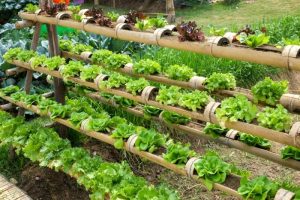
Vertical gardening is a fantastic way to maximize space and add a touch of creativity to your garden. Some examples of vertical gardening techniques include:
- Using wall-mounted planters to grow herbs or small flowers.
- Constructing a trellis or arbor for climbing plants like vines or roses.
- Hanging baskets or pots to create a cascading effect.
Repurposing Old Items for Garden Decor
Repurposing old items for garden decor not only adds a unique touch but also promotes sustainability. Some innovative ways to repurpose old items include:
- Turning old tires into colorful planters.
- Using an old ladder as a vertical garden or shelving unit.
- Repurposing old furniture pieces as outdoor seating or plant stands.
Sensory Garden Concept
A sensory garden is designed to engage all five senses, creating a multi-dimensional experience for visitors. Elements of a sensory garden include:
- Plants with different textures, scents, and colors.
- Water features like fountains or ponds for auditory stimulation.
- Touch-friendly pathways with materials like smooth stones or soft grass.
Themed Garden Inspiration
Creating a themed garden based on a specific inspiration can add a cohesive and visually appealing element to your outdoor space. Some ideas for themed gardens include:
- A Japanese-inspired garden with Zen elements like rock gardens and bamboo accents.
- A butterfly garden filled with nectar-rich flowers to attract these colorful insects.
- A Mediterranean-style garden with drought-resistant plants like lavender and olive trees.
Interior Design Elements in Garden Spaces
When it comes to creating a seamless transition between indoor and outdoor spaces, incorporating interior design elements into your garden can elevate the overall look and feel of the area. From lighting to furniture choices, each element plays a crucial role in enhancing the ambiance of your outdoor space.
Blending Indoor and Outdoor Spaces
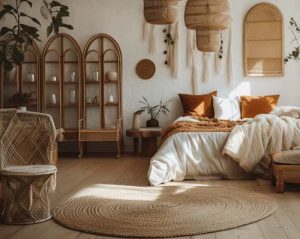
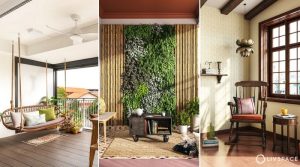
One way to seamlessly blend indoor and outdoor spaces is by using similar color palettes, materials, and design styles in both areas. Consider extending flooring materials from your indoor space to the outdoor area or incorporating indoor plants into your garden for a cohesive look.
Enhancing Ambiance with Lighting
- Utilize a combination of ambient, task, and accent lighting to create different moods in your garden.
- Consider installing string lights, lanterns, or LED spotlights to highlight specific features or pathways.
- Use solar-powered lights for an eco-friendly lighting option that also adds a warm glow to the space.
Choosing Garden Furniture
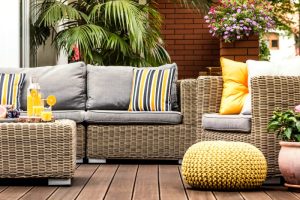
When selecting furniture for your garden, opt for pieces that complement the style and color scheme of your indoor space. Weather-resistant materials like teak or resin wicker are ideal for outdoor use and can withstand various weather conditions.
Bringing Colors and Textures Outdoors
- Choose outdoor pillows, rugs, and accessories that mirror the colors and textures found indoors.
- Integrate indoor elements like artwork or decorative pieces into your garden design to create a cohesive look.
- Experiment with patterns and textures to add visual interest and depth to your outdoor space.
In conclusion, Unique Garden Design Ideas offer a myriad of possibilities to elevate your outdoor space, from blending interior design elements seamlessly to incorporating captivating thematic inspirations. Embrace creativity and transform your garden into a personalized sanctuary that reflects your unique style and personality.
FAQ Explained
How can I incorporate seating areas into my garden design?
You can create cozy seating nooks using benches, chairs, or even built-in stone seating for a functional and inviting space.
What are some examples of vertical gardening techniques?
Vertical gardening can include wall-mounted planters, trellises, or hanging baskets to maximize space and create a striking visual impact.
What is a sensory garden?
A sensory garden is designed to stimulate the senses through various elements like scented plants, textured surfaces, and soothing sounds, creating a multi-sensory experience.