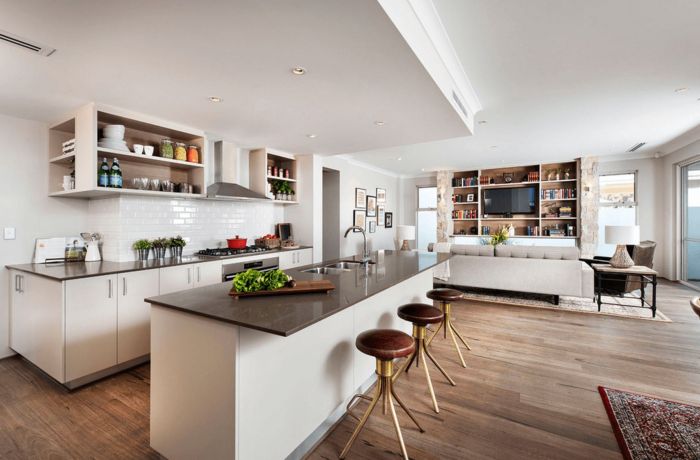
Kicking off with Functional Space Design for Open Floor Plans, this opening paragraph is designed to captivate and engage the readers, setting the tone casual formal language style that unfolds with each word.
Open floor plans in interior design promote a sense of spaciousness and unity, but designing functional spaces within them is crucial for optimal use. Let’s explore how to create flow and connectivity in these versatile living areas.
Functional Space Design for Open Floor Plans
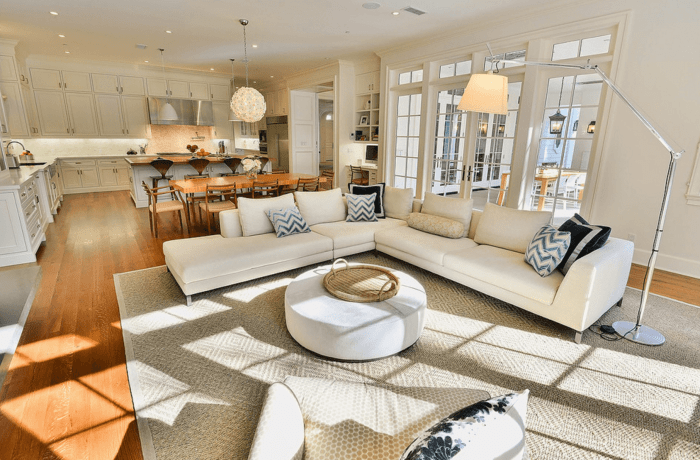
Open floor plans in interior design refer to spaces that lack traditional dividing walls, creating a seamless flow between different areas of a home or workspace.
Examples of Functional Space Design Elements for Open Floor Plans
- Multi-functional furniture pieces, such as sectional sofas or extendable dining tables, that can be easily rearranged to suit various activities.
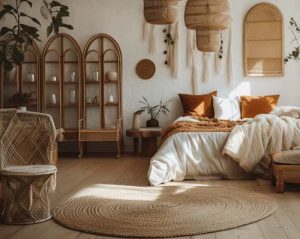
- Strategic placement of area rugs or lighting fixtures to define specific zones within the open space, like a living area or dining space.
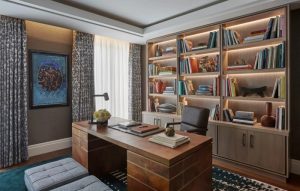
- Incorporating built-in storage solutions like shelves or cabinets to maintain organization without cluttering the visual openness of the space.
- Utilizing room dividers like bookshelves or sliding panels to create a sense of separation while still allowing for an open feel.
The Importance of Flow and Connectivity in Open Floor Plan Spaces
Flow and connectivity are crucial in open floor plan spaces as they help create a harmonious and functional environment. By ensuring a smooth transition between different areas, residents can move through the space effortlessly and engage in various activities without feeling restricted by physical barriers.
Creating Functional Spaces
When designing functional spaces within an open floor plan, it is important to define different areas to serve specific purposes while maintaining a cohesive overall design. This can be achieved through the strategic placement of furniture, decor, and lighting to delineate each functional zone effectively.
Tips on Defining Different Functional Areas
- Consider the layout of the space and the activities that will take place in each area.
- Use area rugs or different flooring materials to visually separate one zone from another.
- Utilize architectural elements like columns, beams, or half-walls to create boundaries between spaces.
- Choose a consistent color palette for each functional area to tie the design together.
Using Furniture and Decor to Delineate Functional Spaces
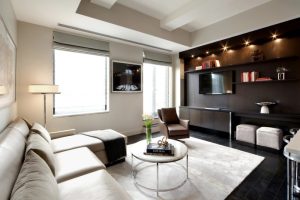
- Use furniture arrangements to define specific areas, such as a sofa and coffee table grouping for the living room.
- Consider the scale of furniture pieces in relation to the size of the space to avoid overwhelming or overcrowding.
- Incorporate room dividers, such as bookshelves or screens, to physically separate different zones while adding visual interest.
The Role of Lighting in Creating Distinct Functional Zones
- Adjust lighting levels to create different moods in each functional area, such as task lighting for workspaces and ambient lighting for relaxation areas.
- Use pendant lights or chandeliers to highlight specific zones and provide a focal point within the open floor plan.
- Consider the natural light sources in the space and maximize their potential to illuminate different areas throughout the day.
Garden Ideas for Open Floor Plans
When designing open floor plans, integrating indoor and outdoor spaces is essential to create a seamless flow between the two areas. Incorporating garden elements into your open floor plan can bring nature closer to your living space and enhance the overall ambiance of your home.
Incorporating Greenery Indoors
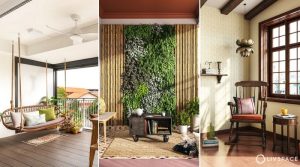
One way to bring the garden inside is by adding indoor plants strategically throughout your open floor plan. Consider placing potted plants near windows or in corners to add a touch of greenery and create a refreshing atmosphere. Hanging plants or vertical gardens can also be great options to maximize space while adding a natural element to your interior.
Creating an Outdoor Oasis
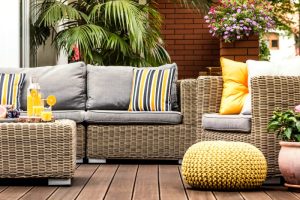
For open floor plans that lead to outdoor spaces, create an outdoor oasis that seamlessly connects with the indoor living areas. Design a cozy patio or deck with comfortable seating, outdoor rugs, and decorative plants to extend your living space outdoors. Incorporating features like a fire pit, water fountain, or outdoor kitchen can further enhance the functionality and aesthetic appeal of your garden area.
Benefits of Greenery in Open Floor Plans
- Improved Air Quality: Indoor plants can help purify the air and create a healthier living environment.
- Natural Aesthetics: Greenery adds a pop of color and a sense of tranquility to open floor plan designs.
- Biophilic Connection: Connecting with nature indoors can reduce stress, increase productivity, and promote overall well-being.
- Enhanced Privacy: Strategic placement of plants can create visual barriers and enhance privacy in open living spaces.
Interior Design Elements
When it comes to designing functional spaces within open floor plans, the use of interior design elements plays a crucial role in defining different areas, creating a cohesive look, and enhancing the overall feel of the space.
Color Palettes for Functional Areas
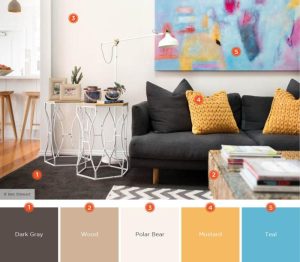
Color palettes are essential in defining different functional areas within an open floor plan. By using different colors for various zones such as the living room, dining area, and kitchen, you can visually separate the spaces while maintaining a sense of unity and flow. For example, using warm tones like earthy browns and oranges for the living room can create a cozy and inviting atmosphere, while cooler tones like blues and greens in the kitchen can evoke a sense of freshness and cleanliness.
Impact of Textures and Materials
The textures and materials chosen for furnishings and decor can greatly influence the overall feel of open floor plan spaces. For instance, incorporating plush rugs and soft fabrics in the living room area can add warmth and comfort, while sleek metal finishes in the kitchen can create a modern and sophisticated look. Mixing different textures like wood, glass, and metal can add depth and visual interest to the space, making it more dynamic and inviting.
Role of Architectural Elements
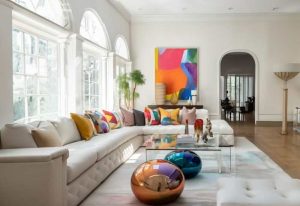
Architectural elements such as archways, columns, and ceiling beams can play a significant role in enhancing functional space design within open floor plans. These elements not only add visual appeal but also help to delineate different areas without the need for walls. For example, a decorative arch between the living room and dining area can create a sense of separation while maintaining an open and airy feel.
Similarly, exposed ceiling beams can add character and charm to the space while defining specific zones within the open layout.
In conclusion, Functional Space Design for Open Floor Plans is all about maximizing the potential of open layouts by defining distinct areas that seamlessly connect. By carefully considering elements like furniture placement, lighting, and greenery, you can create a harmonious and functional space that enhances the overall living experience.
Popular Questions
How can I define different functional areas within an open floor plan?
Use area rugs, furniture arrangement, and varying lighting to delineate spaces for different purposes.
What role does greenery play in open floor plan designs?
Greenery adds a touch of nature, improves air quality, and visually separates areas in open floor plans.
How do architectural elements enhance functional space design in open floor plans?
Architectural features like columns, beams, and built-in shelves can define areas and add character to the space.